 English
 Italiano
 Español
 Português PT
 Français
 Deutsch
 Polski
 Svenska


 PACKAGING AND SHIPPING COSTS
Calibrachoa 14 cm vase, available in different colors, yellow. white, pink, red.
🌿 Always fresh and selected plants: we choose our plants directly from different nurseries, selecting the most beautiful and fresh specimens available from time to time. For this reason, availability may vary: some plants may temporarily be unavailable, precisely because we prefer to offer you only selected and quality products.
A cascade of colorful and elegant flowers, the Calibrachoa is loved for its simplicity of care and abundant and prolonged flowering. Very similar to a miniature Petunia, it gives a lively furnishing text to windowsills and terraces, blooming continuously from spring until the first cold of autumn. It is a plant that loves heat and sunny positions, proving to be significantly more resistant to wind and rain than the classic Petunias.
🪴 Exposure and Cultivation
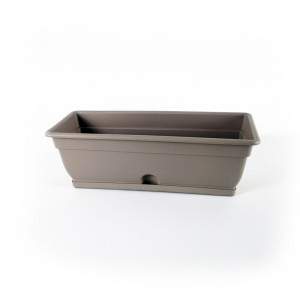
It is ideal for growing in hanging baskets, bowls or balcony planters, from which its branches fall gently covered with small bright green leaves and an infinity of small brightly colored bellflower flowers (purple, red, blue, yellow, pink and two-tone shades).
🌱 Soil and Drainage
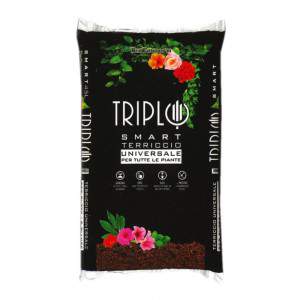
The ideal substrate for Calibrachoa should be soft, light and well-drained: a specific soil for flowering plants will do just fine. When planting or repotting, add a layer of expanded clay to the bottom of the pot to ensure perfect drainage of excess water.
💧 Watering
Watering should be regular but moderate. Water only when the soil is dry to the touch, always avoiding waterlogging that could cause root rot or promote fungal diseases. When watering, be careful to pour water directly onto the soil without wetting the foliage and flowers.
🧪 Fertilization
To support the continued production of flowers throughout the summer season, it is important to provide regular fertilization. Use a liquid fertilizer for flowering plants to be diluted in irrigation water every 7-10 days.
✂️ Maintenance and Pruning
Calibrachoa does not require extensive pruning: it is enough to regularly remove faded flowers and damaged or dry stems to continuously stimulate the emission of new buds.
 GardenStuff
Data sheet
Specific References
Calibrachoa 14 cm vase, available in different colors, yellow. white, pink, red.
🌿 Always fresh and selected plants: we choose our plants directly from different nurseries, selecting the most beautiful and fresh specimens available from time to time. For this reason, availability may vary: some plants may temporarily be unavailable, precisely because we prefer to offer you only selected and quality products.